01
Illustration
Shows the intended shape or interaction. Useful for understanding, not proof that a live system passed.
A polished answer is not a receipt. We separate what is illustrated, what is tested, what is running, and what can be independently cited.
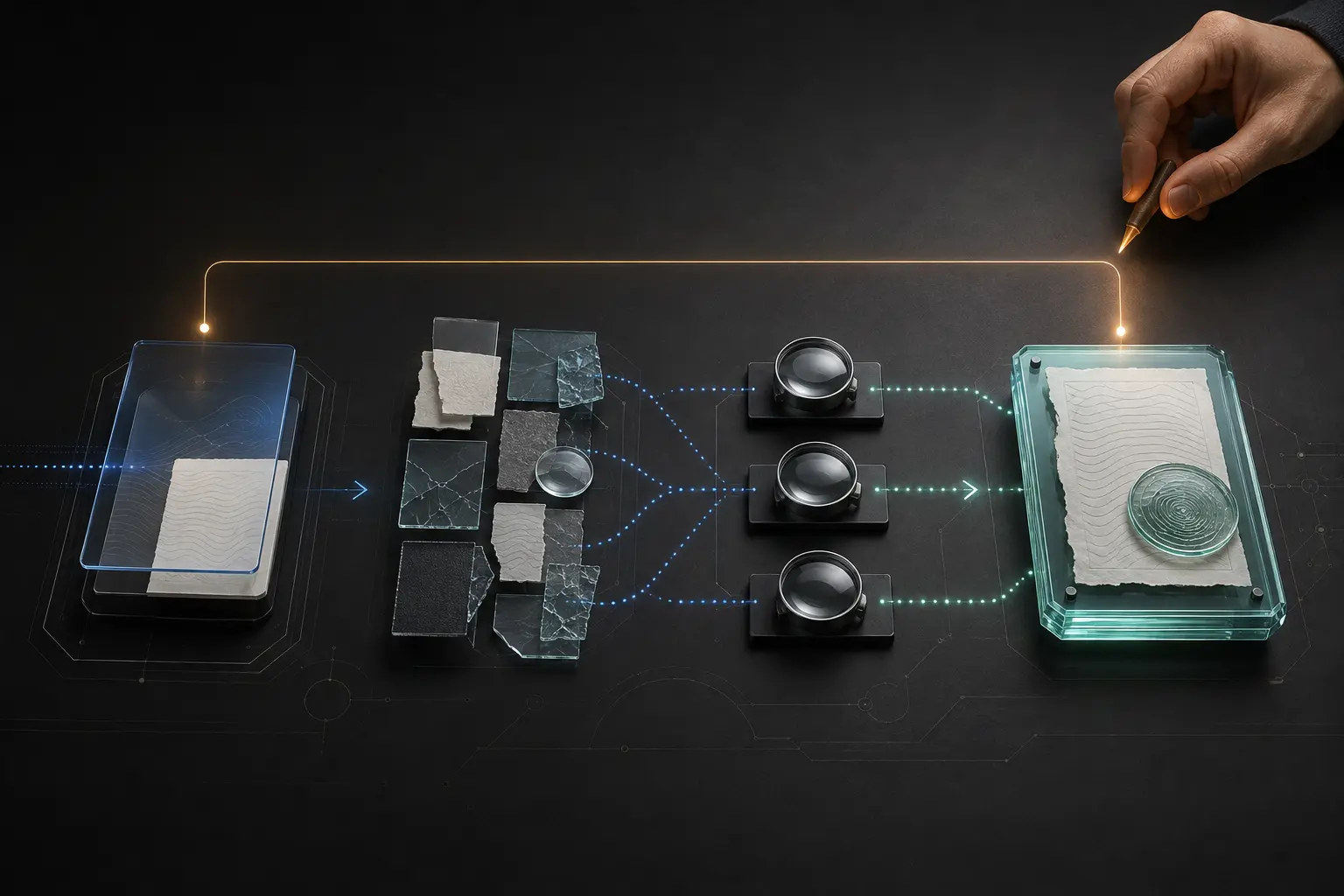
Evidence becomes stronger only when the artifact and the scope become stronger. A browser animation does not become a production pass; a local test does not become an independent audit.
Shows the intended shape or interaction. Useful for understanding, not proof that a live system passed.
A repeatable check with a named target and result. Its value is bounded by what the test can observe.
A dated, attributable record produced by the running system, with limitations and provenance intact.
A durable paper, benchmark artifact, filing receipt, or external review that another person can inspect.
The interaction below is browser-side and illustrative. It creates no certificate, contacts no production seat, and proves no deployment claim.
Record the ask, scope, source, and authority.
Keep provenance and disagreement attached.
Run an independent, scope-aware check.
Pass, fail, defer, or unknown—without repainting.
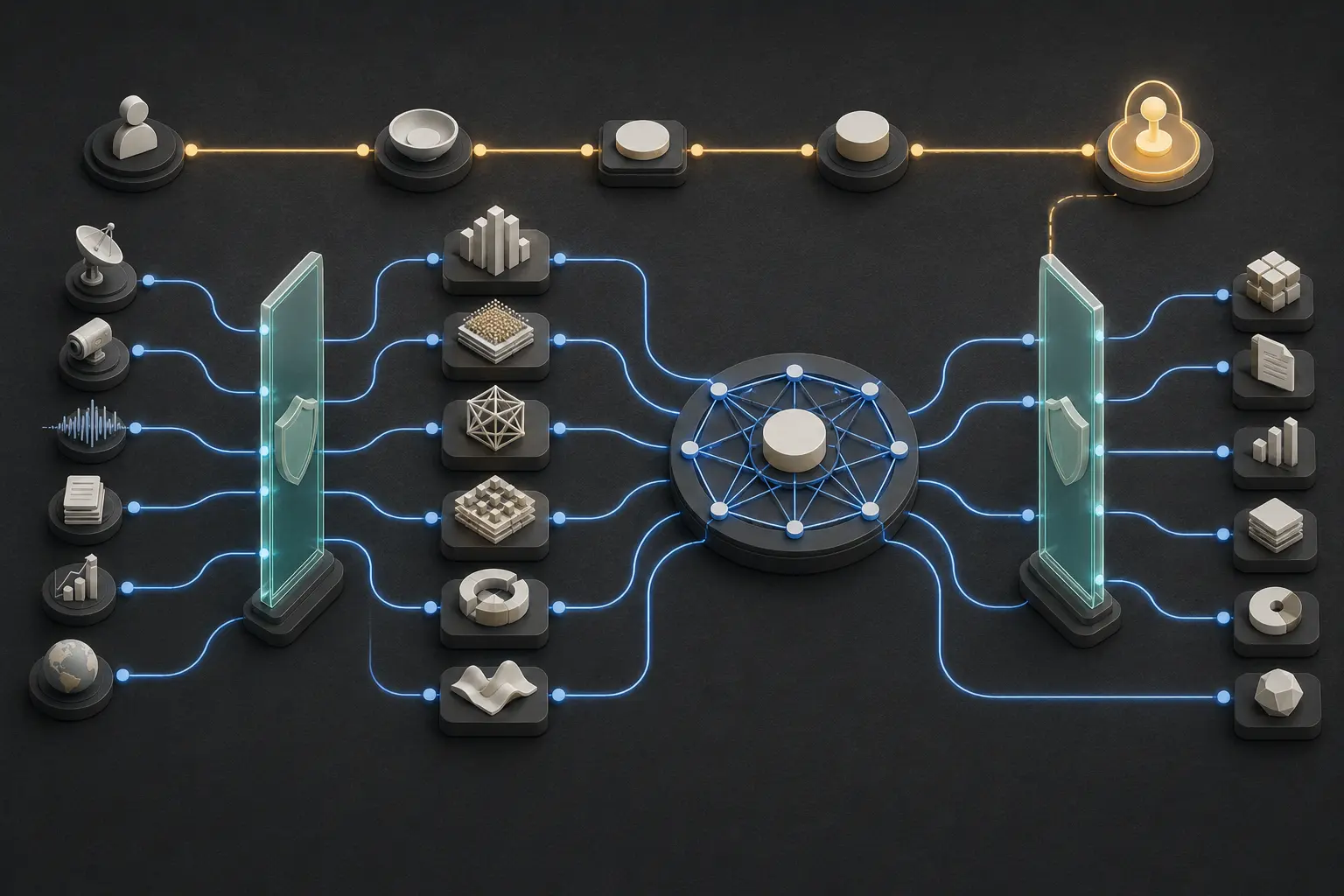
These are engineering verification targets. They are not a claim that every component has been independently certified.
If we cannot name the artifact, the scope, and the limitation, we do not call it proof.